
The Role of Roll-Ups and Drill-Downs in MIS Reporting
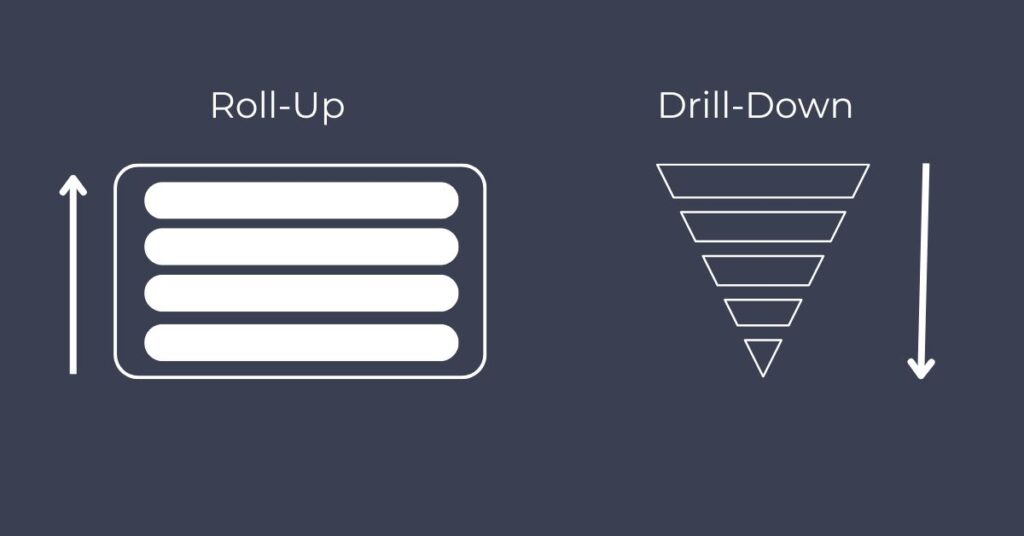
Often, management teams require high-level information that also prompts questions about specific details. Management Information Systems (MIS) are designed to present information in a way that makes this possible. This is where storing data in a data cube format, complete with built-in roll-ups and drill-downs, becomes especially valuable. In this article, we’ll explore roll-ups and […]
Why We Use Multi-Dimensional Cubes

Imagine you want to represent the sales data of a specific product. To do so effectively, you need to consider several attributes: In Excel, however, data representation is confined to two dimensions: rows and columns orproduct categories. This limitation makes answering certain complex questions challenging: Excel’s Pivot Tables try to replicate the cube concept but […]
FP&A Tasks as an Alternative to Email
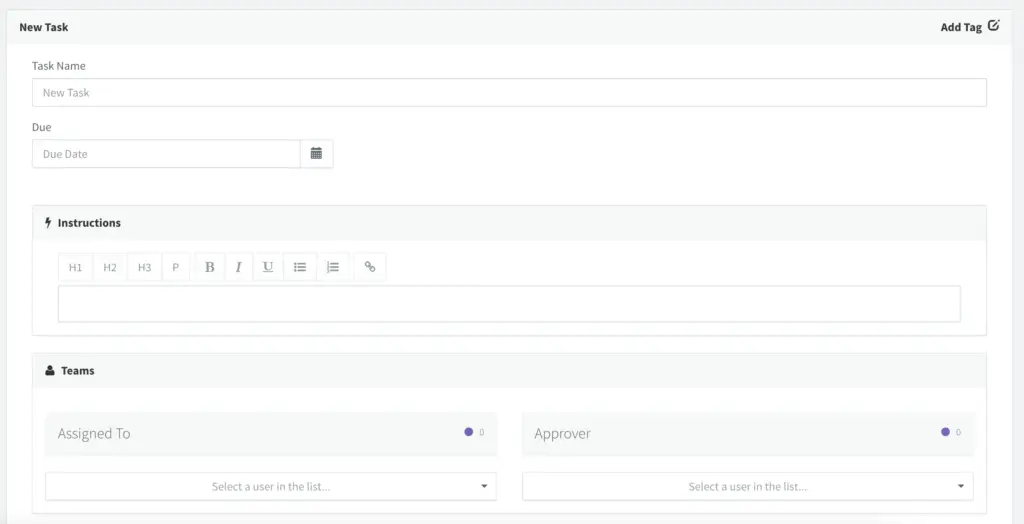
Introduction: In any company, various departments rely on task engines to keep their processes running smoothly and promote collaboration. FP&A (Financial Planning and Analysis) is no exception. In this article, we’ll explore how FP&A tasks can be incredibly useful as an alternative to traditional email communication. Budgeting Made Easier Budgeting can be a stressful activity, […]
Creating Dynamic Visual Dashboards from Cube Data
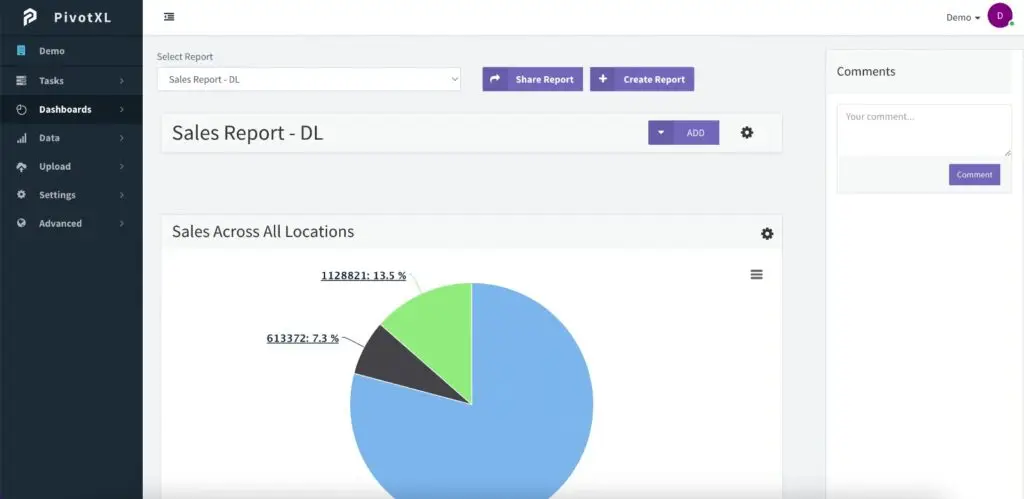
Introduction This article shifts focus to another critical aspect of data representation: building visual dashboards. These dashboards translate complex cube data structures into easily interpretable, two-dimensional visual formats, enhancing the data analysis and decision-making processes. Exploring Common Graph Types for Dashboards Leveraging Visual Dashboards for Enhanced Insights Visual dashboards built on cube data structures provide […]